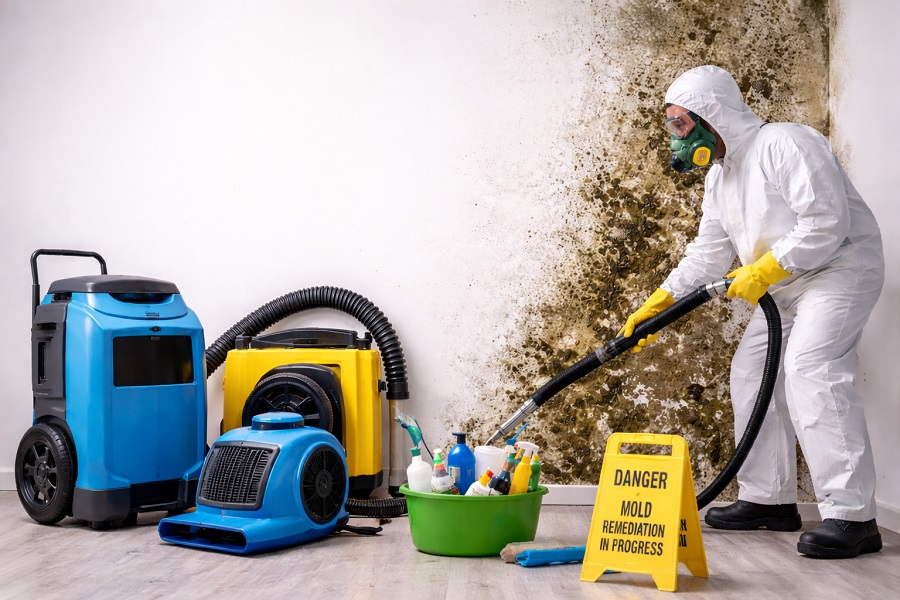

Air conditioning systems are designed to improve indoor comfort. However, when moisture and airflow issues develop inside ductwork, they can quietly create conditions that support mould growth. Because air ducts are hidden behind walls and ceilings, mould often goes unnoticed until odours, airflow concerns, or recurring moisture problems appear.
This matters because mould inside air conditioning ducts can circulate spores throughout a home. Over time, this can affect indoor air quality and contribute to persistent comfort and moisture issues. Addressing the cause early helps prevent repeated growth and reduces disruption inside residential spaces.
Professional mould removal services begin by identifying the causes of mould growth in the duct system. Understanding these causes is the first step toward long-term resolution.
1. Excess Moisture and Condensation Inside Ductwork
Moisture is the primary factor behind mould growth. Air conditioning systems naturally create condensation as warm air cools. When moisture does not drain or dry properly, it can settle inside ducts.
Common contributors include:
- High indoor humidity levels
- Poor insulation around ductwork
- Temperature differences that cause persistent condensation
Over time, damp surfaces inside ducts can promote mould growth. Removal involves addressing moisture sources and managing affected materials as needed.
2. Poor Airflow and Blocked or Dirty Ducts
Restricted airflow can trap moisture inside air ducts. When air does not move efficiently, condensation remains longer on interior surfaces.
Poor airflow may result from:
- Dust and debris buildup
- Blocked vents or returns
- Aging duct systems with reduced efficiency
When airflow improves, moisture has less opportunity to settle. Mould removal services focus on cleaning affected areas and ensuring airflow conditions support proper drying.
3. Leaks in Ducts or HVAC Components
Small leaks in ductwork or connected HVAC components can introduce moisture into the system. These leaks may come from condensation lines, joints, or aging seals.
Signs of leakage-related mould issues include:
- Localized mould growth near vents
- Musty odours when the system runs
- Water staining around duct access points
Identifying leaks is critical. Once moisture entry is controlled, professional mould removal can be completed safely, preventing future growth.
4. Improper AC Drainage or Clogged Drain Pans
Air conditioning systems rely on drain pans and drainage lines to remove condensation. When these components clog or malfunction, water can overflow and enter duct areas.
Drainage issues may develop due to:
- Dust accumulation in drain lines
- Improper system installation
- Infrequent maintenance
Standing water creates ideal conditions for mould. Addressing drainage problems alongside mould removal prevents moisture from returning after cleanup.
5. Pre-Existing Mould or Moisture Problems in the Home
Mould inside air ducts often reflects broader moisture concerns within the home. Past water damage, roof leaks, or basement humidity can affect HVAC systems over time.
Homes with ongoing moisture challenges may experience:
- Recurrent mould growth
- Elevated indoor humidity
- Condensation on vents or registers
Effective mould removal requires addressing both the duct contamination and the underlying moisture source within the residence.
Why Professional Mould Removal Is Critical for HVAC Systems
Mould inside air conditioning ducts requires careful handling. Disturbing affected materials without proper containment can spread spores throughout the home. Professional mould removal follows controlled procedures designed for residential systems.
Clear identification of the cause, combined with structured removal, helps restore indoor air quality and reduces the likelihood of recurring mould issues. Scheduling an assessment is the first step toward restoring a healthier indoor environment.