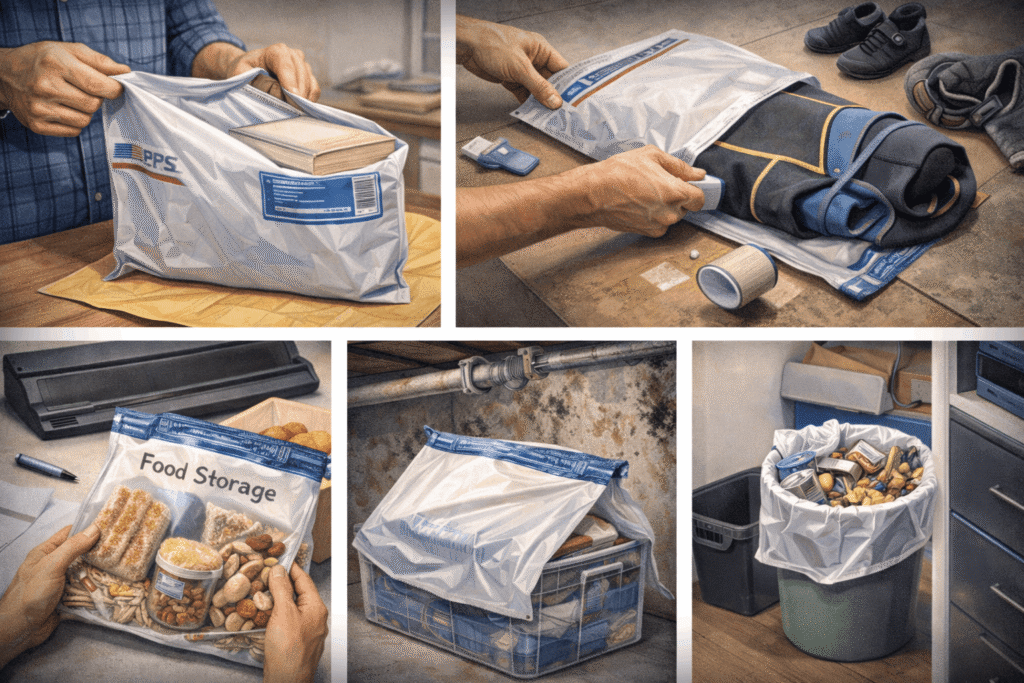

Shipping errors cost more than postage. They lead to rejected parcels, damaged goods, delayed deliveries, dissatisfied customers, and increased return rates. Many businesses rely on USPS plastic shipping bags for efficiency, but small missteps can create genuine problems.
Compliance and proper handling are critical to maintaining shipment integrity. Using USPS-approved poly film correctly helps prevent shipment delays, protects products in transit, and reduces operational risk. Here are five smart ways to use USPS plastic shipping bags without costly mistakes.
1. Use USPS Plastic Shipping Bags Only for Approved Mail Classes
Not every USPS service allows every type of packaging. USPS plastic shipping bags are designed for specific mail classes and handling requirements. Using them incorrectly may result in rejected shipments or additional fees.
Businesses should confirm the mail class before preparing shipments. USPS-approved poly film must meet postal guidelines for thickness, opacity, and durability. When packaging aligns with postal standards, shipments move smoothly through processing centers. Compliance prevents unnecessary rework and shipping disruptions.
2. Choose the Right Bag Size to Prevent Overstuffing
Overfilled bags create stress points along seams and closures. This increases the risk of tearing during automated sorting or transport. On the other hand, oversized bags allow items to shift, which may damage contents.
Selecting the correct size ensures a snug, not tight, fit. The bag should accommodate the item without strain on the seal. Proper sizing also improves stacking and transport efficiency. Consistency in bag selection reduces material waste and lowers replacement costs.
3. Protect Contents With Inner Packaging When Needed
USPS shipping bags provide a moisture-resistant outer layer. However, some products require additional internal protection. Items with sharp edges, fragile components, or sensitive surfaces need cushioning.
Adding bubble wrap, corrugated inserts, or protective sleeves helps absorb impact during transit. Poly mailers are flexible and durable, but they are not rigid containers. Using inner packaging where necessary helps prevent product damage and reduce returns.
This approach supports brand consistency and reduces operational loss. Damaged goods often result in refunds, replacements, and higher operational costs.
4. Seal Bags Correctly to Avoid Transit Failures
Improper sealing remains a frequent shipping mistake. Weak or uneven seals can open during processing. Once a bag is opened, its contents can be lost or damaged.
Plastic mailing bags typically include self-sealing adhesive closures. The adhesive strip should be pressed firmly and evenly across the entire flap. Surfaces must remain clean and free of dust or debris before sealing.
For high-volume operations, implementing a sealing checklist improves consistency. A secure closure ensures packages remain intact from origin to destination.
5. Apply Labels and Barcodes Correctly for Scanning
Automated scanning systems rely on clear, flat surfaces. Wrinkled or curved labels interfere with barcode readability. When scanners fail to read labels, shipments slow down or require manual processing.
Labels should be applied to a smooth, flat area of the bag. Avoid placing labels over seams or folded sections. Barcodes must remain unobstructed and free of tape glare. Proper placement improves scan rates and reduces transit delays.
Clear labeling also improves tracking accuracy, strengthening logistics performance and customer satisfaction.
Common Costly Mistakes to Avoid
Several avoidable errors continue to impact shipping performance:
- Using non-approved poly film for restricted mail classes
- Overfilling bags beyond the recommended capacity
- Skipping inner cushioning for delicate items
- Failing to seal closures fully
- Applying labels on uneven or curved surfaces
Each of these mistakes can result in rejected shipments, damaged goods, or added labor costs. Standardizing packaging procedures minimizes these risks.
Smarter Shipping Starts With the Right Materials
Efficient shipping depends on compliance, preparation, and consistent packaging practices. Plastic shipping bags offer a lightweight, moisture-resistant solution when used correctly. Choosing USPS-approved poly film that meets postal guidelines helps reduce delays and prevent costly errors.