
Modern manufacturing demands flexibility. Production lines must efficiently handle multiple product types without compromising quality or efficiency. This challenge intensifies in industries like food packaging, pharmaceuticals, and contract packaging, where product variety is the norm, not the exception.
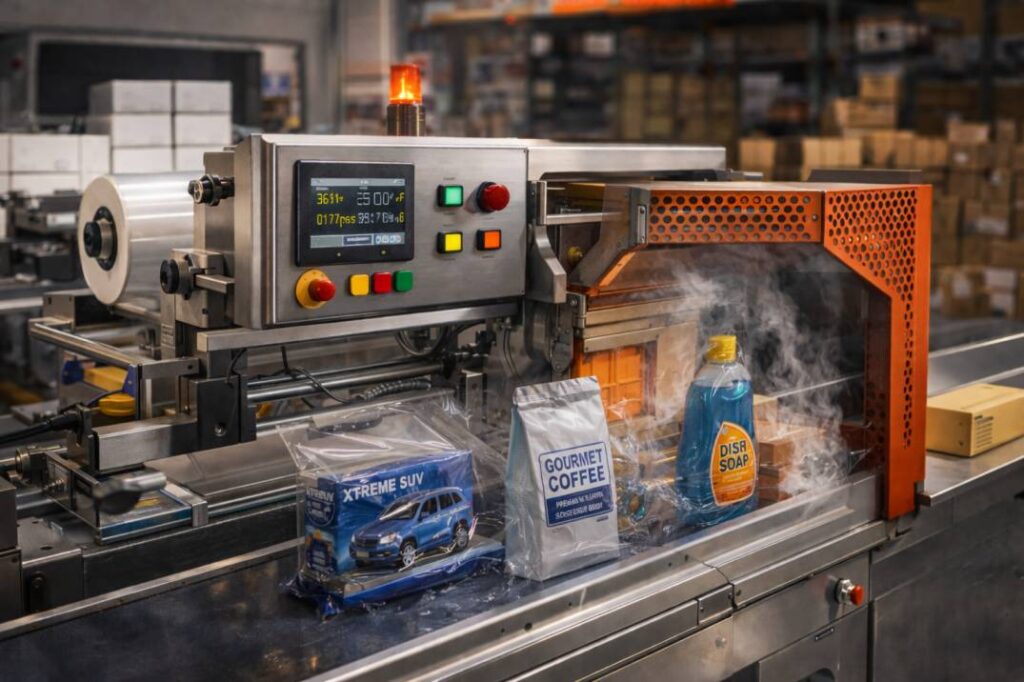
Continuous side sealer technology addresses this need directly. These machines enable rapid transitions between different product sizes, shapes, and packaging requirements. Unlike traditional packaging systems that require extensive downtime for changeovers, advanced side sealers streamline the entire process.
High mix production refers to manufacturing environments that produce numerous product variations. High changeover operations switch between these variations frequently throughout each shift. Both scenarios demand packaging equipment that adapts without compromising speed, seal quality, or material efficiency.
What Makes Side Sealers Ideal for High Mix Production Environments?
Side sealers excel in high mix environments because they eliminate the mechanical constraints found in older packaging technologies. Traditional lap sealers require physical adjustments for different product dimensions. This manual intervention slows production and increases the risk of operator error.
Continuous motion packaging machinery uses servo-driven controls that adjust automatically to accommodate varying product sizes. The result is seamless transitions without manual reconfiguration.
Consider a bakery producing multiple bread varieties in a single shift. Sliced white bread, multigrain loaves, and artisan baguettes all have different dimensions. A continuous side sealer handles these variations without stopping the line. The Windows-based control system recognizes each product profile and adjusts film feed, seal bar positioning, and conveyor speed instantaneously.
This automation extends beyond simple size adjustments. Film type selection becomes equally flexible. Whether packaging with polyolefin, polyethylene, or specialty films for specific applications, the machine transitions smoothly between materials without extensive setup procedures.
How Do Continuous Motion Systems Minimize Changeover Time?
Changeover time directly impacts production efficiency. Every minute spent reconfiguring equipment represents lost output and increased labor costs. Continuous motion packaging machines reduce these losses through intelligent automation and mechanical simplicity.
The servo motion control technology eliminates outdated components like cams, clutches, and mechanical brakes. These legacy parts required physical adjustment during changeovers. Modern servo systems execute changes through software parameters stored in the control interface.
Operators select the desired product profile from a touchscreen menu. The machine automatically configures all necessary adjustments, including seal bar temperature, film tension, and product spacing tolerances. This process typically completes in seconds rather than minutes or hours.
Film changeovers demonstrate this efficiency clearly. Traditional systems required threading new film through multiple rollers and guides while ensuring proper tension and alignment. Modern continuous side sealers feature quick-release film spindles and automated threading systems. An operator can swap film rolls in under two minutes without specialized tools or extensive training.
The elimination of compressed air systems contributes significantly to changeover speed. Pneumatic components require pressure adjustments and leak checks during setup. Servo-driven systems operate entirely through electric motors. This mechanical simplicity reduces both changeover complexity and ongoing maintenance requirements.
Why Is Servo Control Technology Essential for Flexible Packaging Lines?
Servo control technology represents the fundamental difference between traditional packaging equipment and modern high-performance systems. This technology provides precise, repeatable motion control across all machine functions.
Each servo motor operates independently yet coordinates perfectly with other system components. The seal bar, film feed mechanism, and conveyor system all synchronize through the central control unit. This coordination maintains consistent packaging quality regardless of production speed or product variation.
The precision of servo systems eliminates mechanical play and timing variations inherent in older mechanical drive systems. Film advance happens with micron-level accuracy. Seal bars position precisely for each package cycle. Product spacing adjusts dynamically to accommodate irregular feed patterns from upstream processes.
This precision directly enables high changeover capability. When an operator initiates a product change, the control system recalibrates all servo positions to match the new product profile. These adjustments happen simultaneously across all machine functions. The synchronization ensures that the first package after changeover meets the same quality standards as steady-state production.
Energy efficiency improves through servo technology as well. These motors only consume power during active movement. Regenerative braking captures energy during deceleration cycles and returns it to the power supply. This feature reduces operating costs while supporting sustainability initiatives.
What Product Characteristics Can Side Sealers Accommodate?
The versatility of continuous motion side sealers extends across multiple product dimensions and characteristics. This flexibility makes them suitable for diverse manufacturing environments.
Product size range: Modern side sealers handle products from small cosmetic items to large industrial components. Typical systems accommodate heights from four inches to twelve inches and widths from six inches to thirty-three inches. Custom configurations extend these ranges for specialized applications.
Product spacing tolerance: Chaotic feed capability allows products to enter the packaging zone at irregular intervals. The machine compensates automatically for spacing variations without operator intervention. This feature proves essential when integrating with upstream processes like bakery ovens or printing presses that don’t maintain precise product spacing.
Film compatibility: All major shrink film types work equally well with continuous side sealers. These include:
- Polyolefin films for food contact applications
- Polyethylene films for industrial products
- Cross-linked polyethylene for demanding environments
- Biodegradable and recyclable film options for sustainability programs
Product shapes: While designed primarily for rectangular products, side sealers adapt to various geometries. Round items, irregular shapes, and bundled products all package successfully. The key requirement is a stable orientation on the conveyor system.
Temperature sensitivity: Adjustable seal bar temperatures accommodate products with different heat tolerance levels. Delicate items like chocolates receive lower temperature seals that prevent damage. Robust industrial products accept higher temperatures for stronger seal integrity.
How Does Film Savings Impact High Mix Production Economics?
Material costs represent a significant portion of packaging expenses. In high mix environments, waste increases when equipment cannot adapt efficiently to different product sizes. Excess film usage compounds across hundreds of daily changeovers.
Continuous motion packaging machinery addresses this challenge through precise film control. Servo-driven film advance systems measure and cut film to exact specifications for each product. This eliminates the overruns common with mechanical systems that lack this precision.
The economic impact proves substantial. A typical operation running three shifts with multiple product changeovers can reduce film consumption by ten to fifteen percent compared to traditional equipment. For manufacturers using thousands of linear feet of film daily, these savings compound quickly.
Consider a contract packager handling thirty different product SKUs per week. Each changeover on traditional equipment might waste two to three feet of film during setup and testing. Multiply this by fifteen changeovers per shift and the waste becomes significant. Continuous side sealers eliminate most of this waste through rapid parameter changes that don’t require physical film adjustments.
The environmental benefits complement the economic savings. Reduced material consumption decreases waste streams and supports corporate sustainability goals. This alignment becomes increasingly important as customers and regulatory bodies emphasize environmental responsibility.
What Operational Advantages Do Continuous Motion Systems Provide?
Beyond changeover speed and film savings, continuous motion side sealers deliver multiple operational benefits that improve overall production efficiency.
- Uptime performance: These machines consistently achieve uptime rates exceeding ninety-eight percent. The mechanical simplicity of servo-driven systems reduces failure points compared to complex pneumatic and mechanical drive equipment. Fewer components mean fewer maintenance interventions and higher reliability.
- Quality consistency: Servo control maintains identical packaging parameters across all production cycles. The first package after a changeover matches the quality of the thousandth package. This consistency reduces quality control labor and minimizes customer complaints related to packaging defects.
- Labor efficiency: Automated changeovers require minimal operator skill. A technician can train new operators on product changeover procedures in hours rather than days. This rapid training capability supports workforce flexibility and reduces dependency on specialized personnel.
- Integration capability: Modern control systems communicate seamlessly with plant-level manufacturing execution systems. Production tracking, quality metrics, and maintenance alerts transmit automatically to central monitoring stations. This integration supports data-driven decision making and predictive maintenance programs.
- Scalability: Production increases don’t necessarily require additional equipment purchases. The speed and efficiency of continuous motion packaging machines often accommodate higher throughput within existing installations. When expansion becomes necessary, additional units integrate easily into existing control architectures.
How Do Different Industries Benefit from Changeover Flexibility?
High mix production with frequent changeovers characterizes multiple industries. Each sector realizes specific advantages from flexible side sealer technology.
- Food and bakery operations produce numerous product variations daily. Artisan bakeries might package ten different bread types in a single shift. Contract bakeries serving grocery chains handle even more variety. Continuous side sealers enable these operations to maintain production flow without dedicated packaging lines for each product type.
- Pharmaceutical manufacturers face strict regulatory requirements for packaging integrity and traceability. Different dosage forms and package sizes require validated changeover procedures. Servo-controlled side sealers execute these changes with documented precision that supports regulatory compliance.
- Cosmetics companies introduce new products seasonally and adjust packaging frequently for promotional campaigns. The ability to switch between regular products and limited editions without production delays supports marketing agility and reduces inventory carrying costs.
- Contract packagers serve multiple clients with diverse product portfolios. A single facility might package food products in the morning, cosmetics at midday, and pharmaceutical items in the evening. This business model demands packaging equipment that adapts to completely different product categories with minimal transition time.
- Printing and publishing operations handle variable product dimensions inherent to books, magazines, and promotional materials. Page counts vary, binding styles differ, and promotional inserts create dimensional challenges. Continuous motion side sealers accommodate these variations without dedicated equipment for each publication type.
What Technical Specifications Support High Changeover Operations?
Understanding the technical features that enable rapid changeovers helps manufacturers evaluate equipment options and optimize existing installations.
- Control system architecture: Windows-based operating systems provide familiar interfaces that reduce training time. Recipe storage capabilities allow operators to save and recall product profiles with a few touchscreen selections. These profiles include all necessary machine parameters for specific products.
- Mechanical design: Quick-release film spindles accept various roll diameters without tools. Magnetic seal bars enable rapid temperature element replacement during maintenance. Modular conveyor sections simplify width adjustments for different product sizes.
- Safety interlocks: Modern systems incorporate comprehensive safety features that don’t impede changeover speed. Light curtains and emergency stops protect operators while allowing rapid access for film changes and product transitions.
- Diagnostic capabilities: Built-in diagnostics identify potential issues before they cause downtime. Predictive maintenance alerts notify operators when components approach service intervals. This proactive approach prevents unplanned stops during critical production periods.
- Thermal management: Advanced seal bar designs maintain consistent temperatures during rapid cycling. This thermal stability ensures seal quality remains constant regardless of production speed variations during changeover periods.
Which Factors Determine Optimal Side Sealer Selection?
Manufacturers considering continuous motion packaging machinery should evaluate several factors to match equipment capabilities with operational requirements.
- Current product mix: Document all product variations currently packaged and anticipated future additions. This inventory identifies the size range, film requirements, and special handling needs the equipment must accommodate.
- Changeover frequency: Calculate daily, weekly, and seasonal changeover patterns. Operations with dozens of daily changeovers justify different equipment features than facilities with weekly changes.
- Production volume: Total throughput requirements influence machine speed ratings and automation levels. High-volume operations benefit from premium features that maximize efficiency gains.
- Floor space constraints: The available production area affects equipment configuration options. Compact installations may require integrated conveyor systems and vertical space utilization.
- Integration requirements: Existing plant control systems, quality tracking databases, and maintenance management platforms influence control system selection and communication protocols.
- Budget considerations: While premium equipment commands a higher initial investment, the total cost of ownership calculation must include changeover labor savings, material efficiency improvements, and maintenance expense reductions.
Why Choose Complete Packaging Solutions & Systems Inc. / Kallfass USA?
At Complete Packaging Solutions & Systems Inc. / Kallfass USA, we don’t just sell machines—we deliver precision-engineered shrink-wrap solutions that redefine packaging efficiency. Proudly serving top manufacturers in food, bakery, wood, cosmetics, pharma, and printing, we specialize in automatic shrink wrap machines built for speed, uptime, and serious performance.
Our advanced continuous motion packaging machines feature cutting-edge motion control technology, seamless film versatility, and no compressed air requirements. Every cycle includes energy regeneration, delivering up to fifteen percent film savings and ultra-smooth packaging even in high-output operations.
Kallfass side sealers support high mix and high changeover production through servo-driven precision that eliminates traditional mechanical limitations. Plug-and-play integration requires no field programming. Local parts availability ensures minimal downtime when maintenance becomes necessary.
Production flexibility demands packaging equipment that adapts without compromise. Our systems deliver consistent quality across all product variations while reducing changeover time from hours to seconds. This combination of versatility and reliability makes Kallfass the first choice for companies that demand premium industrial shrink wrapping, not budget shortcuts.
Contact Complete Packaging Solutions & Systems Inc. / Kallfass USA today to discover how our continuous side sealer technology can transform your high mix production environment and deliver measurable improvements in efficiency, quality, and profitability.