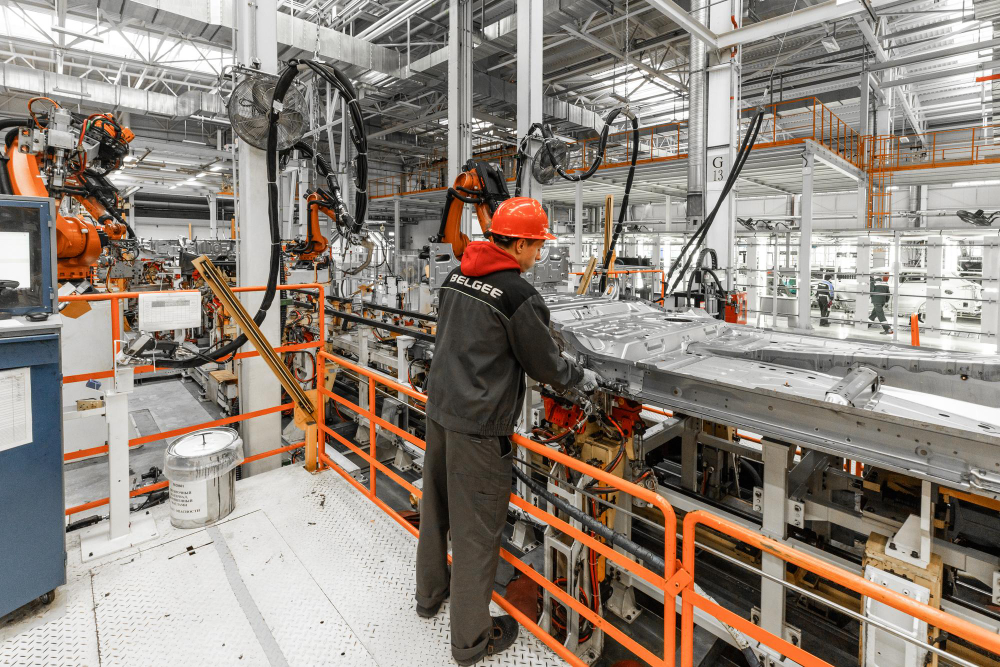

Latin America is undergoing a quiet industrial revolution. As global manufacturers seek alternatives to Asia and diversify supply chains, several emerging industrial hubs across Latin America are positioning themselves as the next frontier for production, logistics, and export growth.
From Colombia’s tech-driven logistics centers to Brazil’s advanced manufacturing clusters and Chile’s renewable energy industries, the region is becoming a powerful force in reshaping the global supply chain network.
Why Global Companies Are Turning to Latin America
The growing momentum in Latin America isn’t just about low costs — it’s about strategic diversification and resilience. Businesses have learned from recent global disruptions that shorter, regionally connected supply chains offer long-term advantages.
Key drivers include:
-
Proximity to the U.S. and Canada: Reduced shipping times and lower transportation costs.
-
Trade-friendly policies: Regional agreements such as USMCA, Mercosur, and the Pacific Alliance.
-
Growing industrial infrastructure: Expansion of ports, logistics parks, and free trade zones.
-
Skilled, cost-effective workforce: A young, tech-savvy population ready to adapt to Industry 4.0.
-
Sustainability focus: Investment in renewable energy and green manufacturing initiatives.
These strengths make Latin America not just a cost-efficient location, but a strategically aligned region for future-ready manufacturing.
Top Emerging Industrial Hubs in Latin America
Let’s explore the leading countries driving this industrial transformation:
🇲🇽 Mexico: The Regional Powerhouse
Already the hub of North American nearshoring, Mexico continues to expand its industrial footprint with high-value manufacturing, particularly in automotive, aerospace, electronics, and pharmaceuticals.
Its integrated trade relationship with the U.S. under USMCA gives it a long-term edge.
🇨🇴 Colombia: The Logistics Innovator
With growing investment in ports, highways, and digital logistics, Colombia is transforming into a strategic hub for connecting South America to the Caribbean and North America.
Bogotá and Medellín are emerging as innovation-driven cities, supporting industrial digitization and supply chain tech startups.
🇧🇷 Brazil: The Industrial Giant
Brazil remains Latin America’s largest economy, with deep industrial capabilities in machinery, chemicals, and agribusiness.
Its robust domestic market and increasing automation adoption are making it a key player in regional supply chain resilience.
🇨🇱 Chile: The Sustainability Leader
Known for its political stability and strong renewable energy sector, Chile is rapidly becoming the green industrial hub of Latin America.
Its leadership in lithium mining and clean energy supports global EV and battery supply chains.
🇨🇷 Costa Rica: The High-Tech Pioneer
Costa Rica has positioned itself as a leader in medical device manufacturing, electronics, and biotech.
Its stable governance and commitment to sustainability make it a favorite among U.S. and European investors.
Key Opportunities for Global Supply Chains
Latin America’s emerging industrial ecosystem offers several new advantages for exporters, manufacturers, and logistics providers:
-
Diversification: Reduces overreliance on Asia and creates a balanced global footprint.
-
Integrated infrastructure: Modern ports, rail, and highway systems improving connectivity.
-
Trade access: Preferential access to major markets through regional agreements.
-
Innovation ecosystems: Growing clusters in tech, automation, and clean energy.
-
Talent pool: Educated, bilingual workforce with strong technical skills.
Collectively, these strengths position Latin America as a strategic extension of North America’s industrial base.
Challenges to Watch
Despite rapid progress, several challenges remain:
-
Infrastructure gaps in inland logistics and cross-border trade.
-
Regulatory differences between countries.
-
Political fluctuations affecting foreign investment confidence.
-
Need for workforce upskilling in automation and AI technologies.
Addressing these issues through regional cooperation and digital transformation will be essential for long-term competitiveness.
The Road Ahead: A Unified Industrial Vision
The next decade will see Latin America evolve into an integrated industrial ecosystem, connecting production centers from Mexico to Brazil.
Key developments to expect include:
-
Smart logistics corridors powered by AI and IoT.
-
Green industrial zones driven by renewable energy.
-
Cross-border manufacturing partnerships supported by digital trade agreements.
-
Collaborative innovation networks linking private sector, academia, and government.
This regional convergence will redefine Latin America’s role in the global industrial value chain.
Key Takeaway
Latin America is no longer an emerging opportunity — it’s an active industrial transformation zone. By investing in technology, infrastructure, and regional cooperation, countries across the continent are building a foundation for sustainable, high-value growth.
For global manufacturers and exporters, the time to connect with Latin America’s next-generation industrial hubs is now — before the competition does.