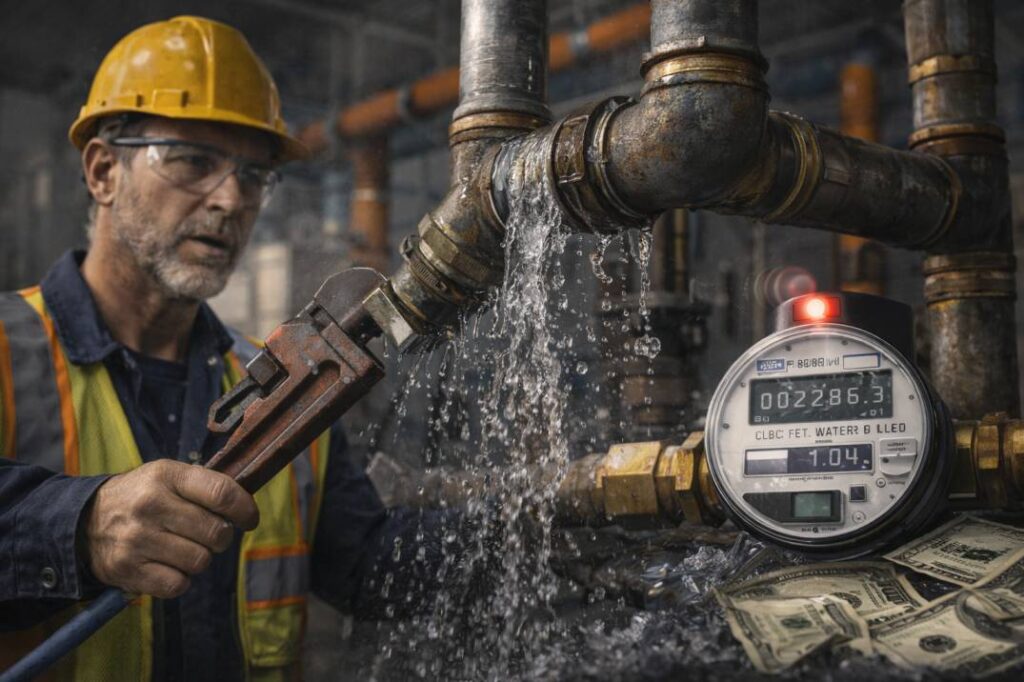

Water systems often operate quietly in the background of commercial buildings. When plumbing works as expected, it rarely draws attention. But inefficient service draws attention with rising water bills, disrupted operations, and avoidable repairs. Many businesses across Canada experience higher operating costs due to unresolved or poorly managed plumbing issues. Inefficient commercial plumbing services lead to water waste that accumulates over time and directly affects business expenses.
Understanding how these inefficiencies develop and how they influence costs helps stakeholders make informed decisions before minor problems escalate.
Understanding Inefficiency in Commercial Plumbing Systems
Commercial plumbing systems differ significantly from residential systems. They handle higher volumes, operate for longer hours, and support multiple fixtures simultaneously. Inefficiency occurs when performance declines or when service practices fail to address root causes.
Common contributors to inefficiency include:
- Aging pipes and fittings that no longer maintain proper flow
- Improper installation or outdated design
- Delayed repairs and reactive maintenance
- Inconsistent servicing across large facilities
- Lack of regular inspections and performance checks
These issues often remain unnoticed until water consumption increases or operational disruptions occur.
How Water Waste Develops in Commercial Properties
Water waste in commercial environments rarely stems from a single failure. It usually results from a combination of minor, ongoing issues that accumulate.
1. Hidden Leaks and Slow Drips
Small leaks in commercial restrooms, kitchens, or mechanical rooms can persist for months. A slow drip from a faulty valve or worn seal may appear insignificant. Yet it can waste thousands of litres annually when multiplied across multiple fixtures.
2. Inefficient Fixtures and Valves
Older fixtures often lack flow control features found in modern systems. Faulty flush valves, leaking faucets, and systems with improper calibration allow excess water to pass through unnoticed.
3. Poor Drainage and Backflow Issues
Restricted drains and partial blockages force systems to work harder. This inefficiency leads to repeated flushing, slow drainage, and water backup, increasing consumption and stressing infrastructure.
4. Inadequate Maintenance Practices
Reactive maintenance addresses problems only after failure occurs. Without scheduled assessments, inefficiencies continue unchecked, increasing water usage and accelerating wear.
The Direct Link Between Inefficiency and Higher Water Bills
Water bills reflect more than consumption alone. They also reveal the shortcomings in the system’s performance.
1. Compounding Costs Over Time
A single inefficient fixture may have minimal impact. When similar issues exist across restrooms, kitchens, and service areas, costs rise steadily each billing cycle.
2. Increased Utility Charges
Municipal water rates in Canada continue to increase. Wasted water directly translates into higher utility expenses, which affect operational budgets and profitability.
3. Secondary Cost Impacts
Water waste also increases costs related to:
- The use of energy to heat unnecessary water
- Emergency repair callouts
- Property damage from leaks or backups
- Business interruptions during repairs
These indirect expenses often exceed the cost of proactive service.
Commercial Environments Most Affected by Inefficient Plumbing
Certain commercial settings face greater risk and a more urgent need for commercial plumbing services. This is mainly due to factors such as usage patterns and system complexity.
1. Restaurants and Coffee Shops
Commercial kitchens rely on constant water flow. Inefficient plumbing in food preparation areas, dishwashing stations, and restrooms quickly increases water waste and operational strain.
2. Hotels and Hospitality Properties
Guest rooms, laundry facilities, and shared amenities create continuous demand. Undetected inefficiencies across multiple floors lead to significant cumulative loss.
3. Office Buildings and Mixed-Use Properties
Shared plumbing infrastructure serves restrooms, kitchens, and mechanical systems. A single system issue can affect multiple tenants and inflate shared utility costs.
4. Shopping Malls and Commercial Complexes
Malls include food courts, commercial kitchens, washrooms, and office spaces. Plumbing inefficiencies in one area often impact the entire system due to interconnected infrastructure.
The Role of Commercial Plumbing Contractors in System Efficiency
Competent commercial plumbers focus on system performance rather than temporary fixes.
1. Structured System Assessments
Professional assessments identify inefficiencies that routine maintenance often overlooks. These reviews evaluate flow rates, pressure consistency, drainage performance, and system integrity.
2. Preventive Maintenance Planning
Scheduled servicing reduces emergency interventions and allows adjustments before failures occur. Preventive approaches stabilize water usage and control costs.
3. Accurate Repair and Replacement Decisions
Not every issue requires a complete replacement. Targeted repairs and component upgrades restore efficiency without unnecessary disruption.
4. Alignment With Business Operations
Commercial plumbing contractors should support business continuity. Proper scheduling and coordination reduce downtime while maintaining system reliability.
Why Commercial Plumbing Efficiency Supports Long-Term Stability
Efficient plumbing systems support predictable budgeting, safer facilities, and uninterrupted operations. Businesses benefit from:
- Lower and more consistent water bills
- Reduced emergency repair frequency
- Extended system lifespan
- Improved reliability across high-use areas
Efficiency also aligns with broader sustainability goals by reducing unnecessary water consumption.
Moving Toward Better Plumbing Performance
Inefficient commercial plumbing service leads to water waste that quietly erodes profitability. Addressing these issues requires attention, planning, and qualified service support. Businesses that prioritize system efficiency gain greater control over operating costs and reduce avoidable disruptions.
A consultation can help identify inefficiencies before they become costly problems. Contact trusted commercial plumbing service providers to improve system performance and reduce unnecessary water loss.