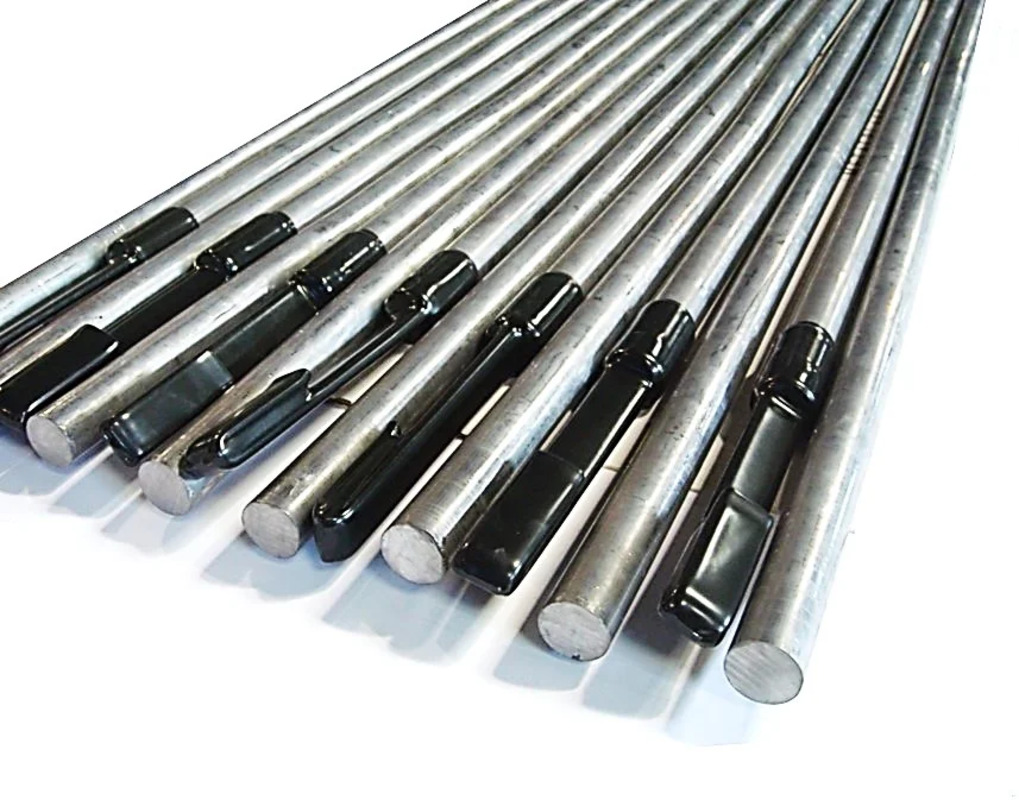

Electroplating performance often depends on factors that are not immediately visible. Inconsistent coating thickness, material waste, and unstable current flow often stem from a single core element: the lead anode design.
When the design aligns with process requirements, electroplating systems operate more efficiently and deliver consistent output quality. Understanding how design influences performance helps industrial teams make better decisions across production lines.
1. Surface Area Determines Current Distribution
The surface area of a lead anode directly affects the distribution of current across the plating bath. An uneven or insufficient surface area can lead to inconsistent plating thickness and defects.
Key considerations include:
- Larger surface areas help maintain uniform current density
- Irregular surfaces can create hotspots and uneven deposition
- Proper sizing supports stable electrochemical reactions
When the current distribution remains consistent, output quality improves, and rework requirements decrease.
2. Anode Shape Influences Throwing Power
Throwing power refers to how well a plating solution deposits metal into recessed or complex areas. The shape of the lead anode plays a critical role in this process.
Design impacts include:
- Flat anodes suit simple geometries
- Contoured or custom-shaped anodes improve coverage in complex parts
- Poorly matched shapes reduce plating efficiency in hard-to-reach zones
Carefully selected anode shapes help ensure uniform coating, even in intricate components used across industrial applications.
3. Placement Affects Efficiency and Material Usage
Anode placement within the plating bath significantly influences both efficiency and material consumption. Even a well-designed anode can underperform if placement is not optimized.
Important factors include:
- Proper spacing ensures even current flow
- Incorrect positioning leads to uneven plating thickness
- Optimized placement reduces excess metal usage
Efficient placement reduces operational costs while maintaining consistent plating outcomes.
4. Material Composition Impacts Stability and Longevity
The composition of a lead anode determines how it behaves under continuous electroplating conditions. Variations in alloy composition can affect corrosion resistance, conductivity, and lifespan.
Material considerations include:
- Alloyed lead improves resistance to chemical breakdown
- Stable composition supports consistent electrical performance
- Poor-quality materials can degrade quickly and impact output
Using well-formulated lead electroplating anodes helps maintain process stability and reduce downtime from frequent replacements.
5. Anode Maintenance and Design Integration Drive Long-Term Performance
Anode design does not operate in isolation. Maintenance practices and system integration play an essential role in sustaining long-term performance.
Key elements include:
- Designs that allow easy cleaning reduce buildup
- Integrated systems improve current efficiency over time
- Regular inspection prevents performance decline
When design and maintenance align, electroplating systems deliver predictable results over extended production cycles.
How Better Anode Design Supports Industrial Electroplating Goals
Electroplating processes rely on precision, consistency, and efficiency. This design directly influences all three. From surface area and shape to placement and material composition, each factor contributes to output quality and operational stability.
Properly engineered lead anodes help reduce waste, improve coating uniformity, and support long-term process reliability. For industrial operations across North America, aligning specifications with application requirements remains a practical step toward improving electroplating performance.
It is essential to partner with experienced lead anode manufacturers to achieve consistent results. Contact Canada Metal North America for guidance on selecting and configuring lead anodes for industrial use.