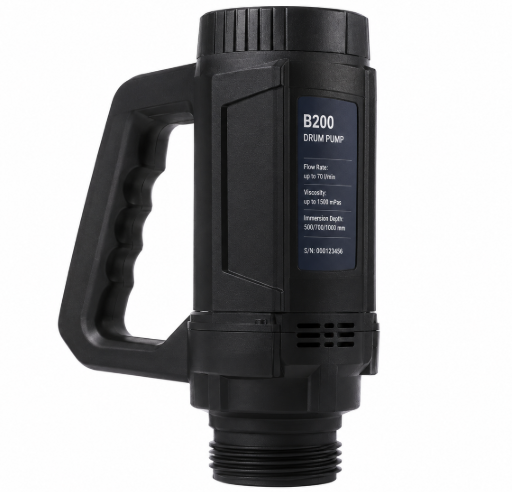

Selecting the correct fluid transfer equipment helps prevent spills and operational downtime in chemical handling environments. Drum pumps serve two fundamentally different operational roles: bulk transfer for high-volume continuous movement, and precision metering for exact chemical dosing. Choosing between these configurations requires a clear understanding of how each performs against specific liquid handling demands.
Bulk transfer drum pumps prioritize sustained throughput, while precision metering drum pumps prioritize dosing accuracy over volume. Evaluating both options against facility requirements improves system integration. It also reduces the risk of under-specification and unnecessary complexity.
Performance Differences Between Bulk Transfer and Metering Drum Pumps
Tote pumps and bulk transfer drum pumps are engineered for sustained, high-volume flow across continuous processing cycles. They maintain consistent output when liquid demand is predictable and uninterrupted, making them well-suited to facilities managing large replenishment volumes. Precision metering drum pumps, by contrast, deliver exact dosing control for sensitive chemical applications where concentration accuracy directly affects process outcomes. These pumps function as positive-displacement dosing devices, allowing output adjustment based on process conditions, which bulk transfer configurations cannot reliably replicate.
Fluid viscosity is a critical selection variable for both types: drum pumps matched to the correct tube length and motor specification handle a broader viscosity range, whereas mismatched configurations increase motor strain and accelerate wear. Bulk transfer pumps tolerate higher-viscosity fluids at volume, while precision metering pumps perform most reliably within narrower viscosity bands suited to their dosing mechanisms. Matching pump style to fluid viscosity prevents premature failure and reduces maintenance frequency across both configurations.
Safety Standards for Chemical Drum Pumps
Chemical drum pumps operating with corrosive, flammable, or reactive fluids require wetted components constructed from chemically resistant materials such as polypropylene, PVDF, or stainless steel, selected according to the specific fluid profile. Bulk transfer drum or tote pumps, given their higher flow rates, impose a broader secondary containment obligation at every transfer point. Precision metering chemical drum pumps carry a comparatively lower spill risk per cycle, but their connection and disconnection frequency increases operator contact exposure during dosing operations.
Regulatory frameworks governing hazardous fluid transfer mandate secure secondary containment regardless of pump type, and portable drum pumps require particular attention to grounding and bonding to prevent static discharge. Explosion-proof motor configurations are a non-negotiable specification for facilities handling volatile liquids, applicable to both bulk transfer and metering configurations. Bulk transfer systems create a higher risk at high-volume discharge points, while metering pumps introduce risk through repeated manual handling cycles if grounding protocols are not consistently followed.
Verdict: Choosing the Right Drum Pumps for Your Operations
High-volume manufacturing environments benefit significantly from the robust capacity of tote pumps and bulk transfer drum pumps, particularly where process lines run continuously, and replenishment cycles are scheduled in advance. Facilities requiring exact chemical dosing, such as water treatment, laboratory chemical preparation, or formulation environments, rely on the accuracy of precision metering pumps to maintain consistent process outcomes. The cost of choosing incorrectly is high in both directions: deploying bulk-transfer drum pumps in a dosing-sensitive application introduces concentration variability, while specifying precision metering pumps for high-throughput bulk movement creates throughput bottlenecks and an elevated operating burden.
Vissers Sales Corp supplies tailored fluid-handling solutions that optimize industrial workflows by matching pump configurations to actual operating conditions, chemical compatibility requirements, and facility layout. Engage with Vissers Sales Corp early in the procurement process to avoid both under-specification and unnecessary capital expenditure in selecting chemical drum pumps.