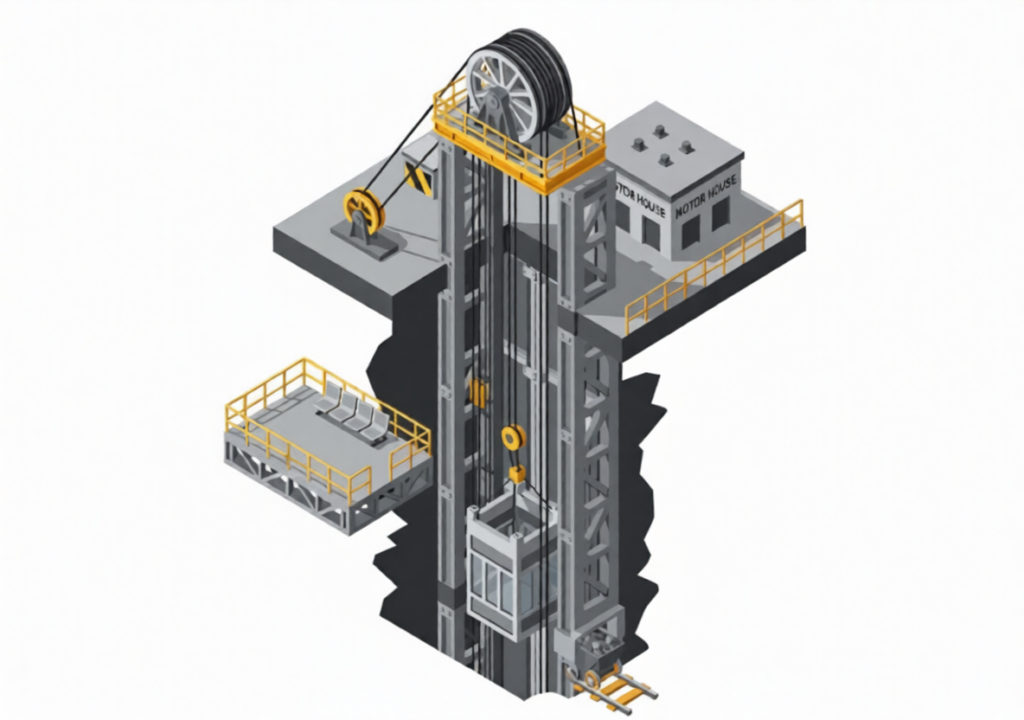

Regulatory inspections are becoming more stringent across industrial facilities in Canada and the USA. What may appear to be a fully operational system can quickly become a liability if compliance gaps exist. A single failure in an industrial elevator can trigger shutdowns, penalties, and immediate safety concerns.
As operational demands increase, certification becomes increasingly critical. Systems that do not meet required standards often operate under hidden risk. When audits occur or incidents arise, these gaps surface rapidly. The difference between certified and non-compliant industrial elevators can determine whether operations continue smoothly or face disruption.
Why Certification and Compliance Are Critical in Industrial Elevator Systems
Certification ensures that industrial elevators meet defined safety, performance, and regulatory standards. Without compliance, systems operate outside approved limits. This increases the likelihood of inspection failures and enforcement actions. Facilities that overlook certification often face sudden operational interruptions.
What Defines a Certified Industrial Elevator System
A certified industrial elevator is designed, installed, and maintained in accordance with recognized standards. Certification includes load testing, safety validation, and proper documentation. These systems are built to perform reliably under demanding conditions. Regular inspections and documented maintenance ensure continued compliance.
Risks Associated with Non-Compliant Industrial Elevator Installations
Non-compliant industrial elevators introduce significant operational risk. Improper installation, outdated components, or missing certifications can lead to system failure. These risks often remain undetected until inspections or incidents occur. Once identified, corrective action may require shutdowns and costly modifications.
Safety Comparison: Controlled Systems vs Unregulated Operations
Certified industrial elevator systems operate with defined safety controls, including load monitoring and emergency mechanisms. Non-compliant systems lack these safeguards or operate with reduced reliability. This increases the risk of accidents and unsafe working conditions, especially under high load demand.
Legal and Financial Implications of Non-Compliance
Operating non-compliant industrial elevators exposes facilities to legal liability. Regulatory violations can result in fines, penalties, and contract disputes. In severe cases, incidents involving lifting systems may lead to litigation and long-term financial impact. Compliance reduces exposure to these risks.
Operational Impact: Downtime, Maintenance, and Performance Reliability
Non-compliant systems often require frequent repairs and experience unplanned downtime. A certified industrial elevator is designed for consistent performance and reduced maintenance disruption. Reliability is essential for maintaining workflow and meeting operational targets.
Why Certified Industrial Elevators Are Essential for Long-Term Operations
Compliance is not a one-time requirement. It is a continuous process that protects operations, safety, and financial stability. Facilities that rely on non-compliant systems risk unexpected shutdowns and escalating costs. UCEL Inc. provides engineered solutions designed to meet regulatory standards and ensure dependable performance.
Avoid exposure to preventable risks. Partner with UCEL Inc. to implement certified systems that support long-term reliability and protect operations with trusted industrial lifts.